Production & Manufacturing
How Much Does It Cost to Manufacture Shoes in Nigeria? A Brand Founder’s Guide
There is no responsible single price
Two shoes that look similar can have very different production costs. The actual price depends on design complexity, material grade, construction, outsole, hardware, size range, quantity, packaging and the amount of development required. A responsible production partner should ask questions before giving a final figure.
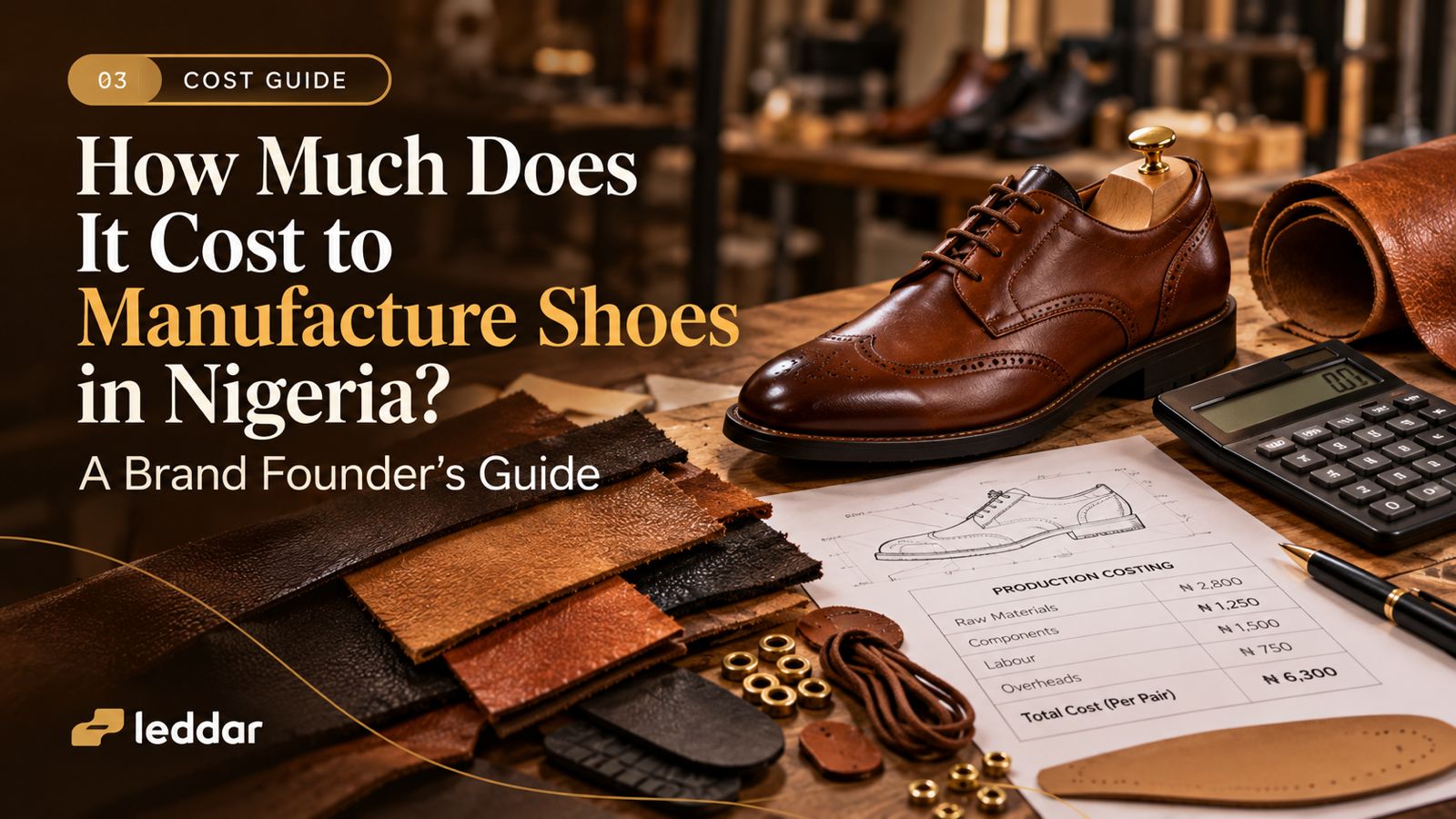
The main cost buckets
Think in six buckets: product development and sampling; upper and lining materials; soles and structural components; labour and construction; branding and packaging; logistics and quality control. Some costs are one-time development expenses while others repeat on every unit.
Why quantity changes the unit cost
Small runs spread setup, cutting, sourcing and development across fewer units. Larger runs can improve efficiency, but only when the maker has the capacity to maintain quality. Quantity should therefore be selected from expected demand and working capital, not from the lowest unit price available.
How imported inputs affect Nigerian production
Even when production is local, some soles, hardware, adhesives, packaging inputs or specialist materials may be linked to foreign-currency pricing. This is one reason quotes can change between sampling and bulk production if materials have not been reserved. Brands should confirm the validity period of a quote and what can trigger a revision.
What to send before asking for a quote
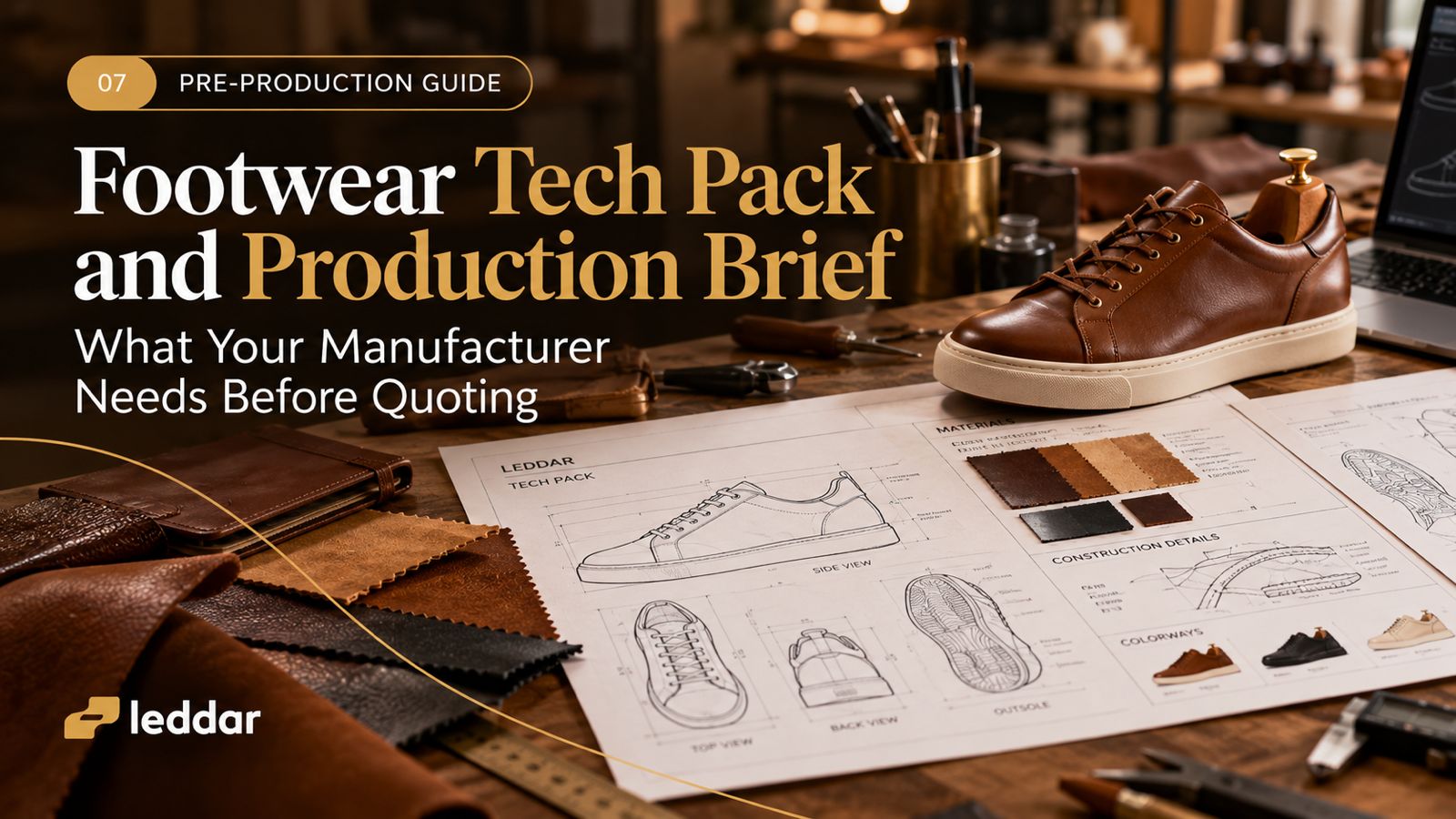
Provide a clear product image or drawing, dimensions, material preference, colour, logo placement, quantity, size range, packaging expectation and delivery target. The more complete the brief, the more meaningful the quotation. A vague “how much to make this?” message usually produces a vague answer.
A better way to budget
Budget separately for development, first production and contingency. Do not use every naira of available capital on inventory. Leave room for sample corrections, packaging changes, delivery and quality fixes. The cheapest production plan is not always the least expensive after defects and delays are counted.
Practical checklist to Manufacture Shoes in Nigeria
- 1.Define product category and target customer.
- 2.Confirm design or reference, materials and quantity.
- 3.Use a paid sample before bulk production.
- 4.Document corrections and final approval.
- 5.Confirm price, timeline, quality standard and payment milestones.
- 6.Keep one approved version of the production specification.
What this means for a brand using LEDDAR
LEDDAR is positioned around structured, accountable production. The platform should not replace the decisions above with blind automation; it should make them easier to manage by helping brands move from a clear brief to suitable production partners, documented approvals, production visibility and a controlled path to delivery.
Next step
Prepare your product, quantity and material direction, then request a structured production assessment through LEDDAR.
Start a Production Request